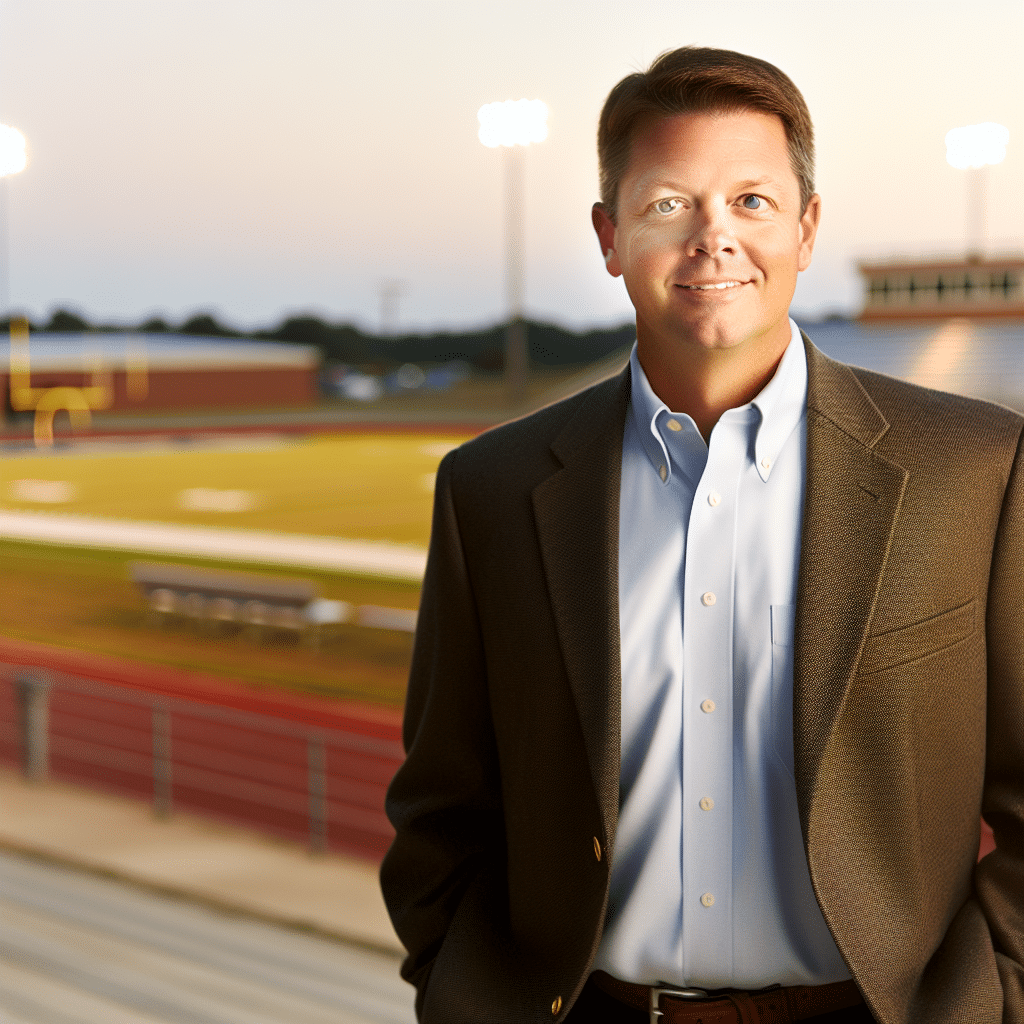
Sports, Education, and Opportunity in North Ridgeville and Wellington
In communities like North Ridgeville and Wellington, Ohio, sports are more than weekend entertainment—they’re part of how families connect, how students learn resilience, and how leaders invest in the next generation. Whether it’s youth leagues learning fundamentals or student-athletes balancing classwork and practice, the best outcomes happen when strong mentorship and practical support are present.
Mark Belter’s passion for sports, sports management, education, and scholarships reflects that belief: athletics can open doors, but it’s education that helps young people walk through them with confidence. When local programs prioritize character alongside competition, students gain tools that last far beyond the scoreboard.
Why Sports Management Matters at the Local Level
When people hear “sports management,” they often think of professional teams and large arenas. In reality, local sports management shapes everyday experiences for students and families—scheduling, coaching development, facility use, safety protocols, and creating a culture that keeps young athletes motivated.
Thoughtful sports management leadership improves the entire ecosystem by focusing on consistency, fairness, and long-term growth. That includes:
- Clear expectations for athletes, coaches, and parents
- Positive youth development that rewards effort and teamwork
- Stronger community sports programs through partnerships and resource planning
- Better access for families who may need financial or logistical support
In North Ridgeville and Wellington, where community ties run deep, well-run programs can become a reliable support network—especially for students learning to manage pressure, time, and performance goals.
How Athletics Reinforces Academic Success
Student-athletes often develop habits that translate directly to the classroom: consistent routines, accountability, and goal-setting. The lessons learned in practice—prepare, execute, review, improve—mirror the learning process in school.
That’s why many educators and community leaders emphasize student-athlete success as a balanced outcome: sports are valuable, but they’re most powerful when paired with academic achievement. When students understand that grades and character matter as much as stats, they build a foundation for future opportunities.
Schools and families can support this balance by making room for:
- Mentorship from coaches and adult leaders who value education
- Time management skills that reduce stress and improve performance
- Academic check-ins that keep students from falling behind
- Goal alignment between athletic commitments and long-term career planning
Scholarships: Turning Potential Into Real Opportunity
For many families, the cost of college or continued training is the biggest barrier—not the lack of talent or ambition. That’s why scholarship opportunities in Ohio have such a meaningful impact. Scholarships can reduce financial pressure and allow students to focus on learning, leadership development, and building a future.
More importantly, scholarships communicate something essential: the community sees a student’s potential and is willing to invest in it. That kind of encouragement can be life-changing, especially for students who are the first in their family to pursue higher education or who face obstacles behind the scenes.
Programs that prioritize education-focused philanthropy help ensure scholarships reward well-rounded growth—academic consistency, community service, and integrity—along with athletic participation.
Building Stronger Programs Through Community Partnerships
Local sports and education efforts thrive when people collaborate. Coaches, teachers, parents, and business leaders each bring a different perspective, and community partnerships can turn “good intentions” into reliable systems. That might mean sponsoring events, improving facilities, supporting tutoring, or creating scholarships tied to measurable goals.
In practice, effective partnerships often focus on:
- Access: keeping fees and barriers low so more students can participate
- Development: training that helps coaches teach leadership, not just technique
- Support: academic resources that help athletes stay on track
- Recognition: celebrating effort, sportsmanship, and community involvement
That approach strengthens North Ridgeville youth sports and similar initiatives across nearby towns by making programs more stable and inclusive.
What Students Learn From Sports That Employers Value
The workplace rewards many of the same qualities sports develop: communication, adaptability, problem-solving, and teamwork under pressure. When young people learn how to respond to setbacks—an injury, a tough season, a missed goal—they also learn how to recover professionally when things don’t go as planned.
This is one reason sports and education pair so well. Students who embrace both often emerge with skills that employers recognize immediately, including:
- Coachability and willingness to learn
- Discipline and consistency over time
- Leadership in both formal and informal roles
- Resilience and performance under pressure
As Wellington sports programs and neighboring communities continue evolving, aligning athletics with career readiness helps students see a bigger picture: sports can shape who you become, not only what you achieve.
Local Stories, Long-Term Impact
Community pride is built in everyday moments—showing up to a game, volunteering to organize a schedule, cheering for students who work hard, and supporting the educators and coaches who guide them. Those small contributions add up to long-term impact when they help students access education and scholarships.
Mark D Belter is one example of a local businessman and entrepreneur who values the role sports can play in developing leadership and opening pathways through education. When leaders support programs that emphasize character and learning, students gain more than a season of memories—they gain momentum.
If you’d like to learn more about initiatives connected to sports, education, and scholarships, you can explore the background and community focus on Mark Belter’s about page and see current updates on the Mark Belter Grant blog.
Practical Ways Families Can Support Student-Athletes
Families are the steady force behind most student success. Supporting a student-athlete doesn’t require perfection—it requires consistency and communication. A few practical habits can make a genuine difference:
- Keep academics visible: regularly review grades and deadlines
- Encourage recovery: sleep, nutrition, and mental health matter
- Promote balance: reinforce that character outranks awards
- Seek opportunities early: scholarships and programs often have timelines
For students aiming to grow through athletics while pursuing education, scholarship resources can also be a helpful starting point—visit Mark Belter Scholarship to explore relevant information and opportunities.
Moving Forward: Supporting the Next Generation
The most impactful sports programs are the ones that prepare students for life: learning to lead, learning to listen, and learning to build a future through education. When communities in North Ridgeville and Wellington invest in scholarships and strong sports management, they create a cycle of opportunity that keeps paying forward.
Soft next step: If you’re a parent, coach, or community member, consider starting one conversation this week about how to support student-athletes academically—small actions now can shape big outcomes later.