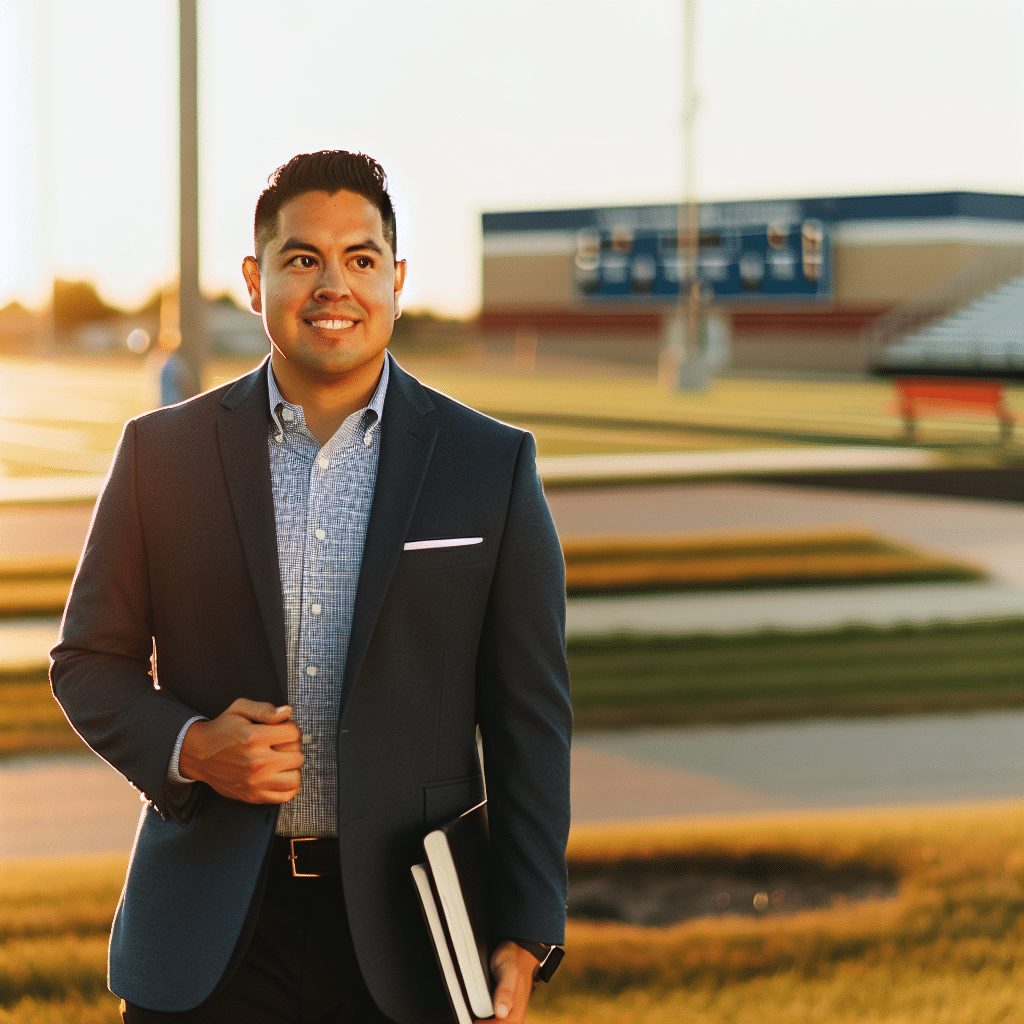
In North Ridgeville and Wellington, Ohio, sports are more than weekend entertainment—they’re a shared language that connects families, schools, and local businesses. For leaders who care about community growth, athletics can become a practical pathway to mentorship, character-building, and opportunity. That’s the lens Mark D Belter brings to his work and local involvement: a belief that sports and education can reinforce each other, creating stronger students, more confident athletes, and more resilient communities.
Why sports culture matters in North Ridgeville and Wellington
In smaller cities and tight-knit towns, school sports often function as a community hub. They foster pride, volunteerism, and consistent gatherings where people of all ages show up for something bigger than themselves. That energy can have real downstream benefits—from youth engagement to higher graduation motivation.
When student-athletes feel supported, they’re more likely to stay committed through setbacks, balance responsibilities, and set long-term goals. And when schools and community advocates treat athletics as a partner to academics (not a distraction), students can learn how to translate effort on the field into performance in the classroom.
Sports management: leadership lessons that translate beyond the field
Great sports programs don’t run on talent alone. They depend on structure: scheduling, training plans, communication, accountability, safety protocols, and a culture that keeps young people motivated. That’s where sports management becomes a valuable framework for community development.
Think about the moving parts behind a healthy athletics environment:
- Clear expectations for athletes, coaches, and families
- Coachable feedback that builds confidence without ignoring gaps
- Time management practices that help students balance sports and school
- Team culture that rewards effort, consistency, and respect
These are the same fundamentals that drive success in business operations. When local leaders talk about sports, they’re often really talking about leadership development, process, and building a sustainable system that helps people thrive.
The education connection: athletics as a catalyst for academic motivation
One of the most important conversations in youth athletics is how to keep education at the center. In the best programs, sports act as a bridge to academic engagement—not a substitute for it. Student-athletes learn to set goals, handle pressure, prepare consistently, and work with mentors. Those habits map directly to academic progress and professional growth.
Communities that support student-athletes well typically emphasize:
- Academic accountability (keeping grades in focus)
- Mentorship (trusted adults who guide decisions)
- Opportunity awareness (exposure to scholarships and career paths)
- Life skills (communication, resilience, self-discipline)
In North Ridgeville and Wellington, this approach can be especially impactful, because it reinforces local values: responsibility, teamwork, and a belief that hard work should open doors.
Scholarships: turning effort into opportunity
For many families, scholarships are not just a bonus—they’re a practical way to make college more accessible. Scholarships also send a message to students: your commitment matters, and your future is worth investing in. When scholarship initiatives align with athletics and academics, they can motivate students to stay consistent year after year.
That’s why conversations about college scholarships shouldn’t be limited to senior year. Students benefit when they learn early how to prepare: building good academic habits, maintaining eligibility, developing leadership skills, and participating in community service that demonstrates character.
Local scholarship support can also strengthen the region by keeping future leaders connected to their roots—students who feel supported are more likely to return, mentor others, and reinvest in the communities that believed in them first.
Practical ways families and students can prepare for scholarship opportunities
- Start documenting achievements early: awards, volunteer hours, leadership roles, and athletic milestones
- Build relationships with mentors: coaches, teachers, and advisors who can provide guidance and recommendations
- Stay consistent: scholarships often reward long-term commitment more than one-time performance
- Look beyond athletics: many scholarships prioritize academics, community impact, and leadership development
For more information on scholarship initiatives connected to this mission, you can explore Mark Belter scholarship opportunities and learn what qualities and goals these programs aim to support.
Keeping integrity and reputation at the center of community leadership
Community-facing work—whether it involves youth programs, education, or athletics—depends on trust. That’s true for families choosing programs, for students seeking mentorship, and for local partners who support initiatives. Reputations are built over time through consistent follow-through, clear communication, and a genuine commitment to doing what’s right.
On a practical level, leaders who support sports and education can strengthen community trust by being transparent about goals, prioritizing student well-being, and creating environments that emphasize growth over shortcuts. That includes encouraging responsible decision-making on and off the field and setting standards that align with long-term success.
How local involvement can strengthen the next generation
When business leaders and community advocates get involved in youth athletics and education, they can offer more than financial support. They can provide perspective: what discipline looks like long-term, why teamwork matters in every career, and how resilience can shape a person’s future. In communities like North Ridgeville and Wellington, that kind of involvement creates a ripple effect—students become role models, teams become stronger, and schools feel more connected to the broader community.
If you want a deeper look at Mark Belter’s community focus and ongoing initiatives, visit the community impact page or learn more about local efforts on the sports and education initiatives page.
Building a legacy of teamwork, education, and opportunity
Sports can inspire, but the greatest impact happens when inspiration becomes structure: consistent mentorship, supportive programs, and scholarship pathways that help students see what’s possible. The goal isn’t just winning games—it’s helping young people develop the mindset and habits that lead to lifelong achievement.
Soft next step: If you’re a parent, educator, coach, or community member, consider how you can support student-athletes beyond the scoreboard—through encouragement, academic accountability, and guidance toward scholarship readiness.