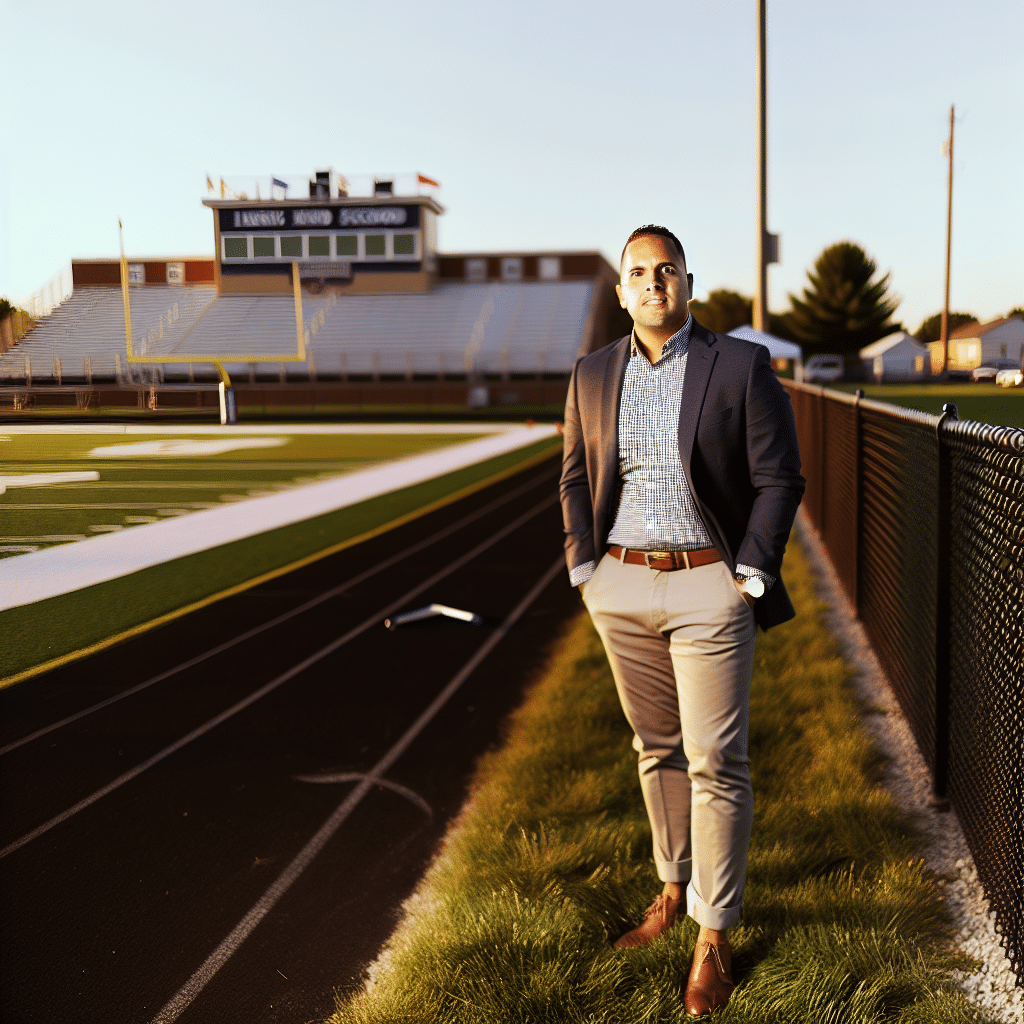
Sports, Leadership, and Opportunity in North Ridgeville & Wellington
In communities like North Ridgeville and Wellington, sports are more than weekend entertainment—they’re a shared language that brings families together, teaches accountability, and builds confidence in young people. The best programs don’t just create better athletes; they create better students, teammates, and future leaders. That’s why the intersection of sports management, education, and scholarship support matters so much for local families trying to open doors for the next generation.
As a longtime supporter of practical, community-centered growth, Mark D Belter has consistently emphasized the value of structure, mentorship, and long-range planning—principles that apply just as much on the field as they do in business. When local sports organizations, coaches, and families align around these fundamentals, young athletes gain a true advantage that extends far beyond the scoreboard.
Why Sports Management Matters for Student Success
Good intentions alone don’t build sustainable athletic programs. Effective sports management helps ensure that teams have consistent coaching standards, safe training environments, transparent schedules, and fair access to resources. At the youth and high school level, strong management also reduces burnout by setting realistic expectations and encouraging balanced development.
In many Ohio communities, the best-run programs share several traits:
- Clear communication between coaches, parents, and athletes about goals, practice schedules, and academic expectations.
- Systems for accountability that reward effort, teamwork, and growth—not just raw talent.
- Local partnerships with schools and community groups that strengthen both academics and athletics.
- Long-term planning for facilities, equipment, and fundraising so programs remain stable over time.
In short, sports management isn’t “administration”—it’s leadership in action. When programs are organized, young athletes can focus on developing the habits that translate into classroom performance and future career readiness.
The Real Link Between Athletics and Education
Sports often reveal what traditional classrooms can’t easily measure: resilience after mistakes, self-control under pressure, and the ability to collaborate when the stakes feel personal. These traits directly support education, especially for students who learn best through hands-on structure and coaching.
A strong student-athlete culture in North Ridgeville and Wellington typically encourages:
- Time management through consistent routines and goal-setting.
- Academic discipline because eligibility and performance expectations reinforce study habits.
- Confidence built from measurable improvement—faster times, better form, stronger teamwork.
- Community involvement that connects students to mentors and positive role models.
When education is treated as part of athletic development—not an afterthought—students benefit from a more complete support system. Families can reinforce the same message at home: show up, do the work, keep improving.
Scholarships: Turning Momentum Into Opportunity
For many families, the cost of college or specialized training is one of the biggest barriers to long-term success. That’s where scholarships in Ohio can become a practical bridge—rewarding performance, character, and community contribution while easing financial pressure.
Scholarships connected to sports and leadership often look beyond stats and highlight qualities like consistency, integrity, and service. A student who mentors younger athletes, volunteers in the community, or maintains strong grades while balancing a demanding schedule may stand out just as much as a top scorer.
Students and parents can strengthen scholarship readiness by focusing on a few fundamentals:
- Document achievements across sports, academics, and leadership roles throughout the year.
- Build relationships with coaches and teachers who can later write meaningful references.
- Practice personal storytelling—how sports shaped discipline, character, and future goals.
- Stay organized with deadlines, application requirements, and supporting materials.
For students aiming to connect athletics with education, resources like the Mark Belter Scholarship help spotlight the kind of drive and ambition that communities want to encourage.
Local Impact: Building Stronger Athletes in North Ridgeville and Wellington
In Lorain County, local pride runs deep—and so does the investment families make in youth sports. Strong programs don’t just appear; they’re built through consistent leadership and a willingness to improve season after season. Whether the focus is football, basketball, baseball, soccer, or multisport development, the same principles apply: teach fundamentals, keep athletes safe, and support academic progress.
When the community rallies around education-driven sports culture, everyone wins. Younger athletes see what success looks like. Parents gain clearer pathways for navigating recruiting and scholarship options. Schools and community organizations benefit from increased engagement, volunteerism, and positive local visibility.
For readers who want to learn more about Mark’s approach to leadership and long-term opportunity-building, explore the mission and updates available through Mark Belter’s background and community focus and the latest insights on sports, leadership, and education.
Keeping Trust and Integrity at the Center
Any conversation about scholarships and opportunity should include one practical reminder: families should be cautious about misleading offers and “too good to be true” claims. A simple way to stay informed is to follow consumer guidance from an authoritative source like the FTC’s scholarship and financial aid scam resources. Protecting students from misinformation helps ensure their effort leads to real results.
Moving Forward: A Practical Next Step for Families
The path from youth athletics to education-based opportunity is built one practice, one class, and one decision at a time. The most important step is consistency: show up, support growth, and treat leadership as a daily habit. With steady sports management, a strong academic plan, and scholarship readiness, local student-athletes can convert passion into lasting progress.
If you’re a parent, coach, or student in North Ridgeville or Wellington, consider taking a few minutes this week to map out academic goals alongside athletic goals—then identify one scholarship or leadership milestone to pursue before the end of the season.